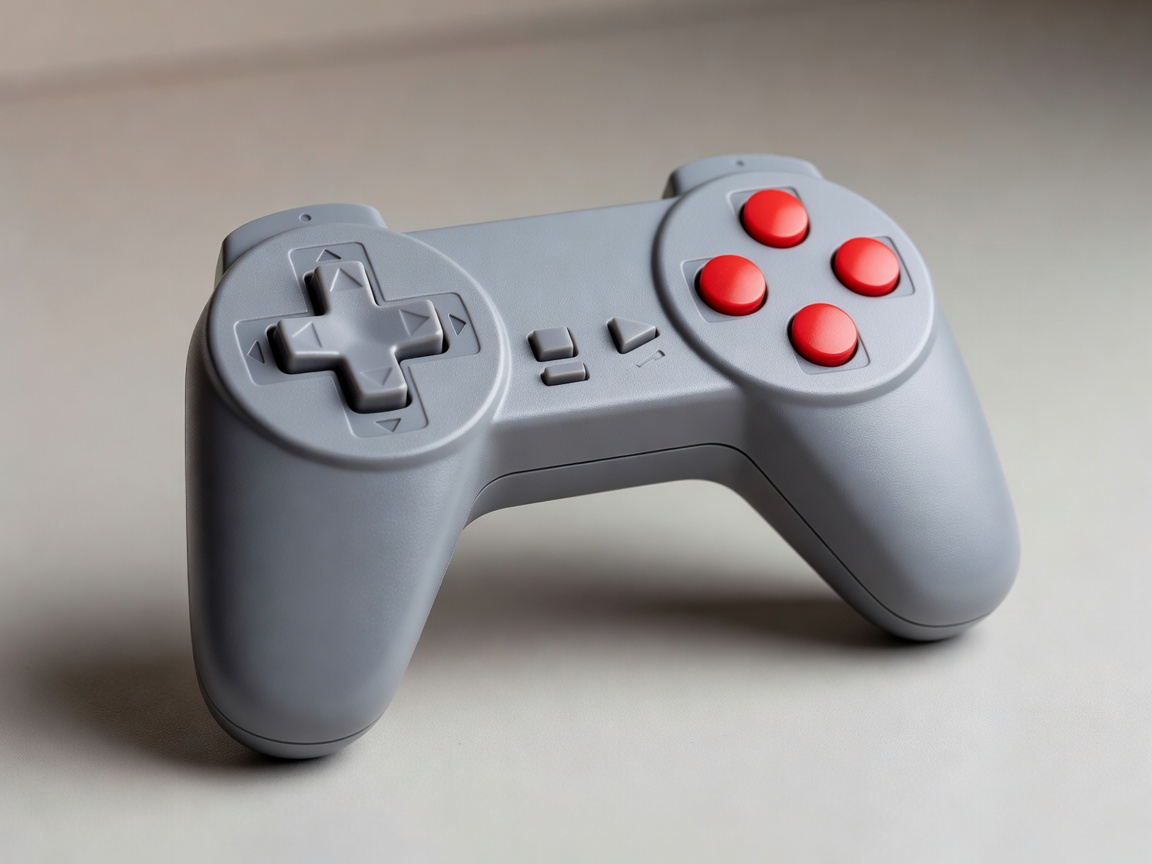
Retro gaming is more than just nostalgia; it is the appreciation of a highly specialized era of hardware engineering. In the decades before standardized graphics APIs and multi-purpose hardware engines, game consoles were built with bespoke silicon designed to do exactly one thing: push pixels to a CRT television as fast as possible within severe memory constraints.
The Arcade Architecture
The golden age of arcades represented the cutting edge of digital entertainment hardware. Because arcade cabinets were commercial machines designed to generate revenue, they were not bound by the cost constraints of home consumer electronics. Custom boards featuring multiple coprocessors were standard.
Arcade monitors were typically high-end RGB CRTs, vastly superior to the composite video signals standard home televisions accepted. The controls utilized industrial-grade microswitches for joysticks and buttons, designed to withstand thousands of hours of physical abuse. The physical cabinet itself, adorned with vibrant marquee art and side decals, was an essential part of the sensory experience.
The Console Wars: Hardware as Identity
When gaming moved into the home, the limitations of consumer pricing created fascinating hardware battles. The late 80s and early 90s saw the 16-bit console wars, a period defined by aggressive marketing built around hardware specifications. "Blast Processing" and "Mode 7" were marketing terms rooted in actual hardware tricks used to overcome processing limits.
Consoles of this era utilized dedicated custom chips for audio generation, leading to distinctive sonic signatures. The FM synthesis chips used in some systems produced sharp, metallic soundtracks, while competitors utilized early sample-based audio chips for a more orchestrated, albeit muffled, sound. Gamers could often identify which console a game was running on simply by listening to the first few seconds of background music.
Cartridges: Solid State Speed
For over two decades, the ROM cartridge was the dominant media format for home consoles. Unlike magnetic disks or optical CDs, a cartridge essentially extends the console's internal bus. When plugged in, the ROM chips on the cartridge board are mapped directly into the system's memory address space.
This allowed for zero load times—a luxury that was lost for generations once the industry moved to optical media. Furthermore, because a cartridge was a custom PCB, developers could include additional hardware right on the game cart. If a system's processor was too weak to calculate complex 3D math, a coprocessor chip could be soldered into the cartridge to assist, extending the lifespan of the base console for years.
Playing Original Hardware Today
Connecting a classic console to a modern flat-panel OLED television presents significant technical hurdles. Original hardware output 240p analog signals (a non-standard resolution technically utilizing half of an interlaced 480i frame). Modern TVs expect digital, high-definition progressive signals and often interpret 240p incorrectly, adding heavy processing lag and ruining the image with improper de-interlacing algorithms.
Purists maintain heavy, space-consuming CRT televisions to play these games exactly as intended. Others rely on expensive, zero-lag upscalers—specialized hardware devices that line-double the analog signal and convert it to a pristine digital HDMI output, perfectly preserving the sharp, blocky aesthetic of 8-bit and 16-bit sprites without adding the input delay that ruins fast-paced platformers and fighting games.